-
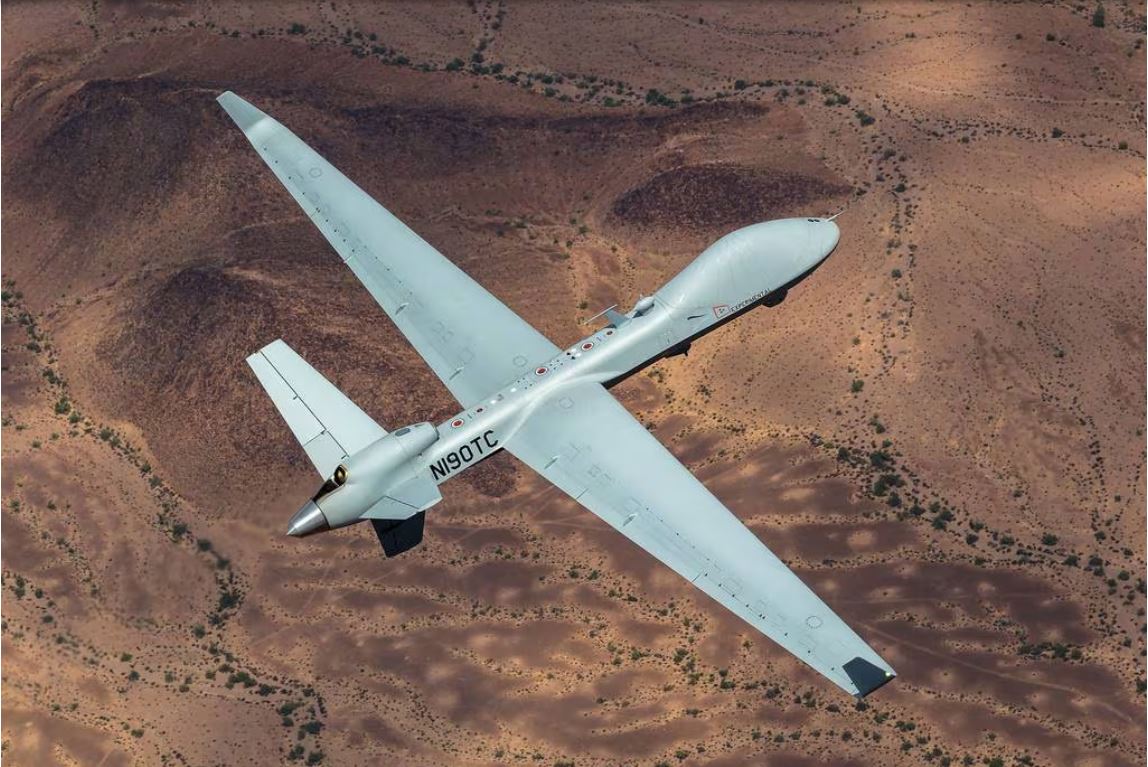
US Weapons’ Sales to India De-stabilize South Asia’s Fragile Stability
The steadily increasing firepower of the Indian military with the transfer of American military technology and equipment compel Pakistani defense policymakers to equip their armed forces with state-of-the-art weapon systems to sustain the strategic equilibrium between India and Pakistan despite the defense budgetary constraints due to economic fragility.... View More
-
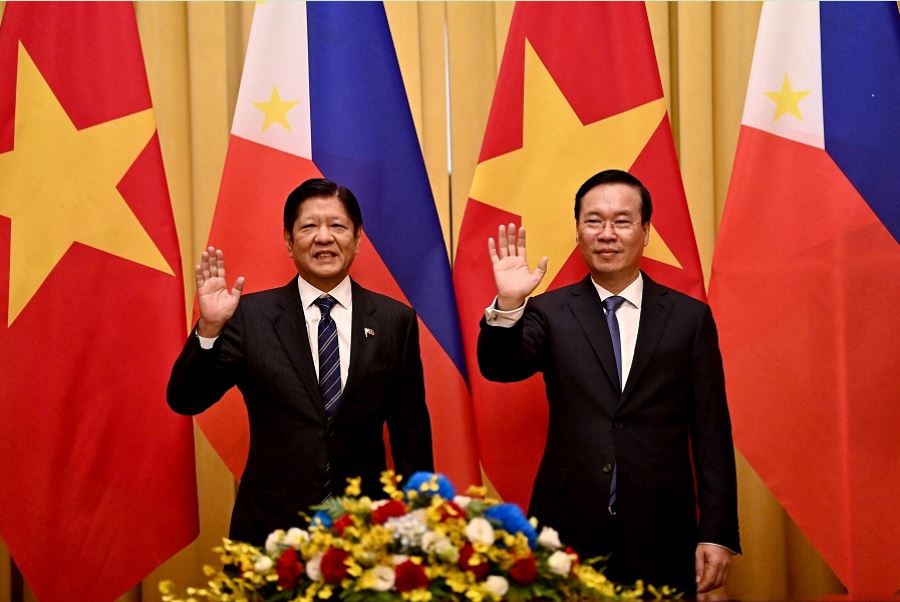
Philippine President Marcos Jr's visit to Vietnam: Creating a 'united front' over South China Sea issue?
Marcos’s state visit to Vietnam and the positive outcomes of maritime cooperation could be regarded as successful, but the visit would not be able to generate joint actions or a “united front” against China.... View More
-
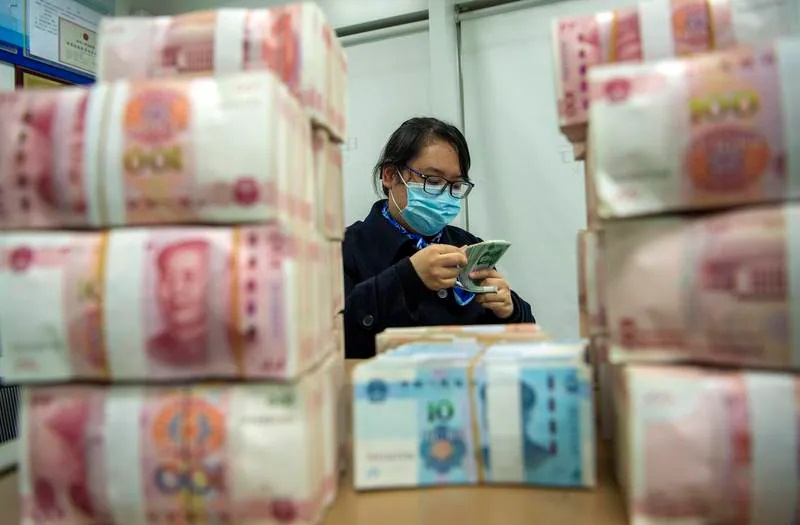
Chinese Yuan Gains Currency in the Gulf States
Saudi Arabia-as one of the primary oil exporters to China-may consider adopting the yuan for oil trade in the long term, reducing dependence on the dollar. These deals will strengthen bilateral relations and indicate a shift from the petrodollar to the ‘petroyuan’, albeit over an extended timeframe.... View More
-
Marcos’ New Code of Conduct for the South China Sea Is A Non-starter
Marcos’ assertions regarding the development of a new code of conduct will not only fail to garner support from neighbouring countries but will also erode any tenuous trust that may have been forged between the Philippines and China during the brief discussions conducted between Marcos and Xi at the APEC Summit in November 2023.... View More
-
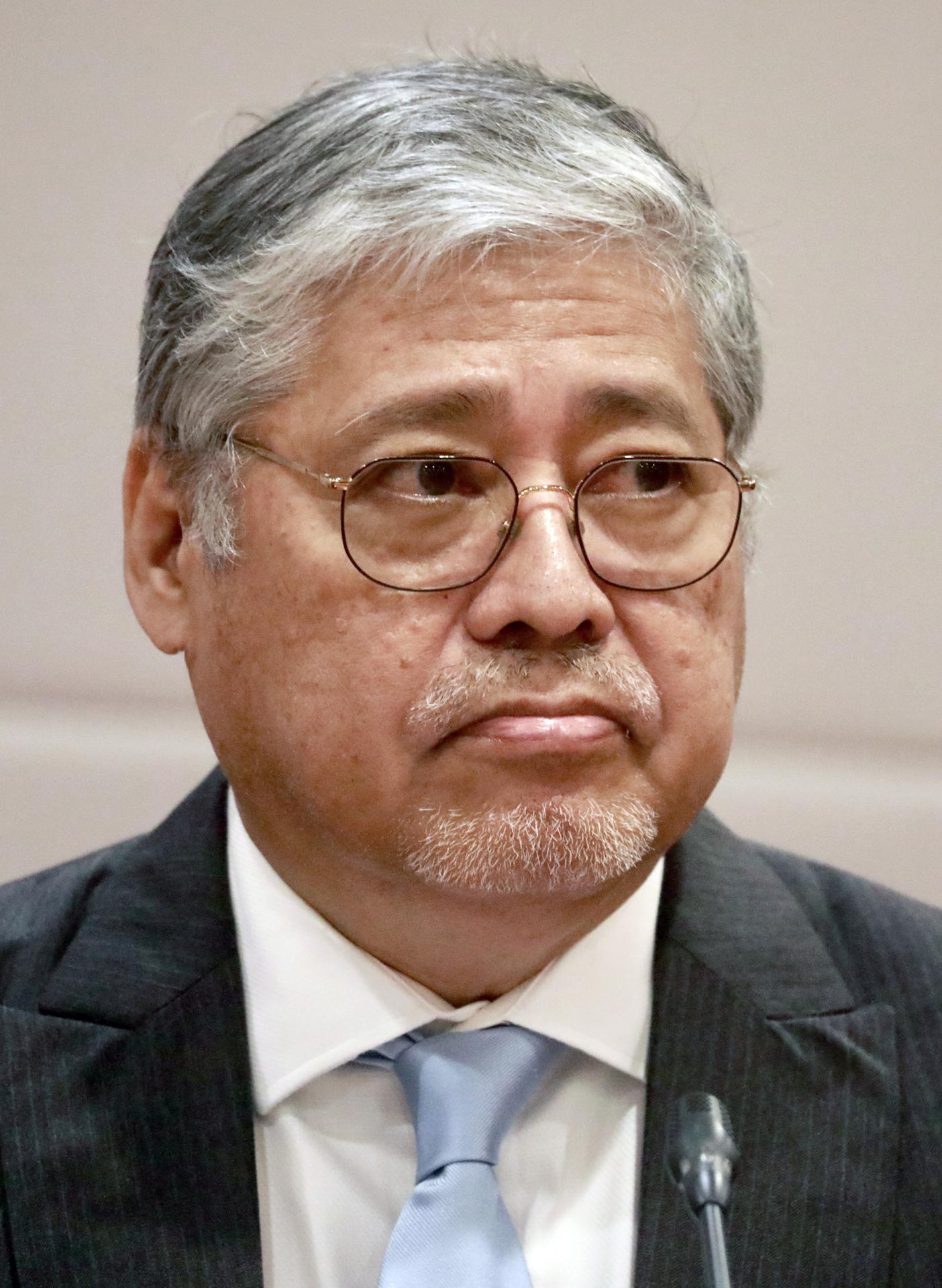
South China Sea: Return to Dialogue Vital for China-Philippines Ties
It is too early to say if China-Philippine relations will improve as a result of the Wang-Manalo phone call. Factors including factionalism within Marcos Jnr’s cabinet and the role of the US could affect the Philippines’ China policy, putting relations on an uncertain trajectory. Hopefully, both sides can minimise internal and external interferences, and expedite the normalisation process.... View More
-
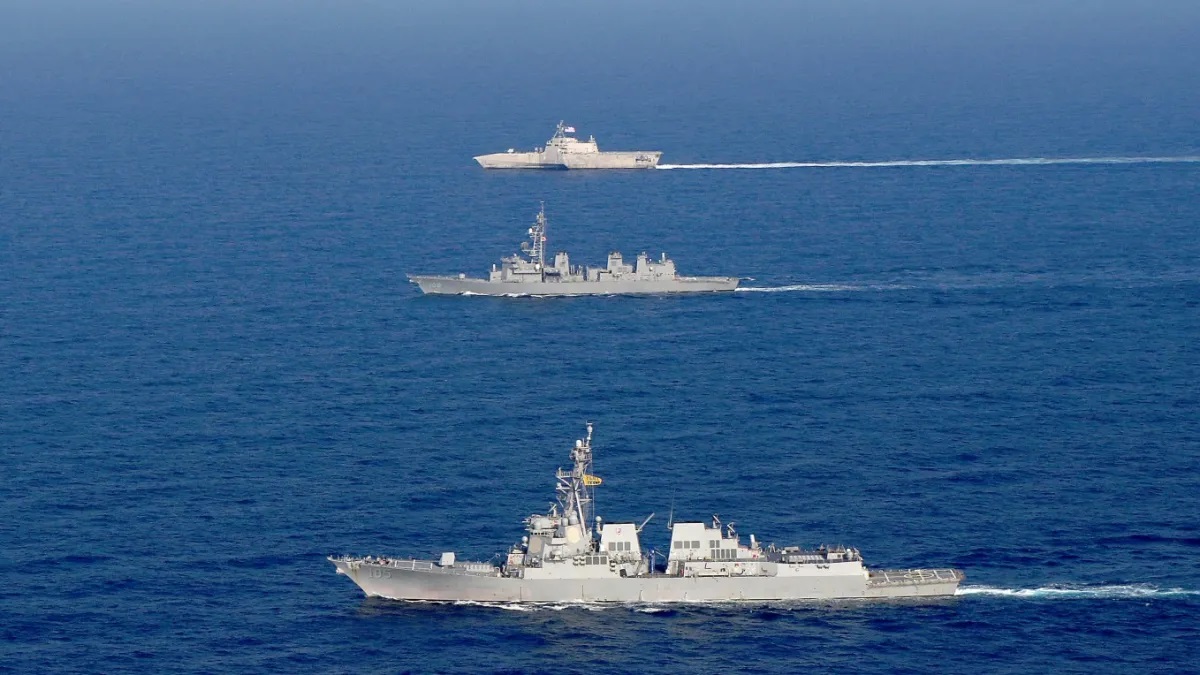
U.S. Intrusions Will Roil Disputed Waters
U.S. involvement at Ren’ai Reef would escalate tensions in the South China Sea and undermine fragile U.S.-China relations. Tensions will only ease if U.S.-China relations substantially improve. Therefore, the top priority for both powers should be to continue their engagement with regard to mitigating confrontation. Both sides should maintain self-restraint even during maritime crises, carefully utilizing deterrence power and consolidating non-conflict measures.... View More
-
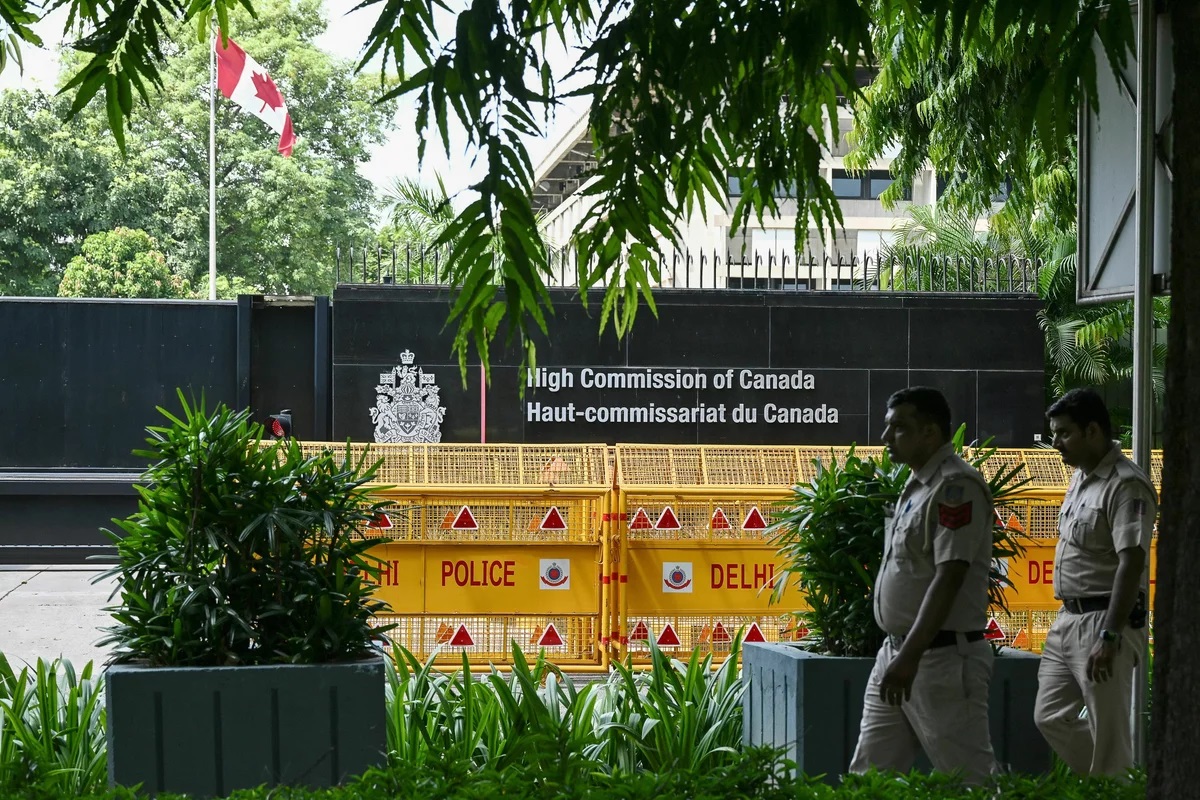
India’s Transnational Death Squad Startled Western Nations
the Indian government has been involved in an extra-judicial killing of the Kashmiri and Sikh leaders in the Indian illegally occupied Kashmir and the Indian Punjab.... View More
-
Civil Society Should Not Get Involved in the South China Sea Disputes
It is concluded in light of the aforementioned that the Marcos government should not encourage Philippine civil society to engage in SCS disputes to avoid escalation and deterioration of the Philippine-China relationship.... View More
-
China Triggers An Infrastructure Race
Although geopolitical rivalries continue, for the first time in great power politics, a significant portion of capital is being allocated to infrastructure and connectivity. China has triggered a global race to build infrastructure across the world.... View More
-
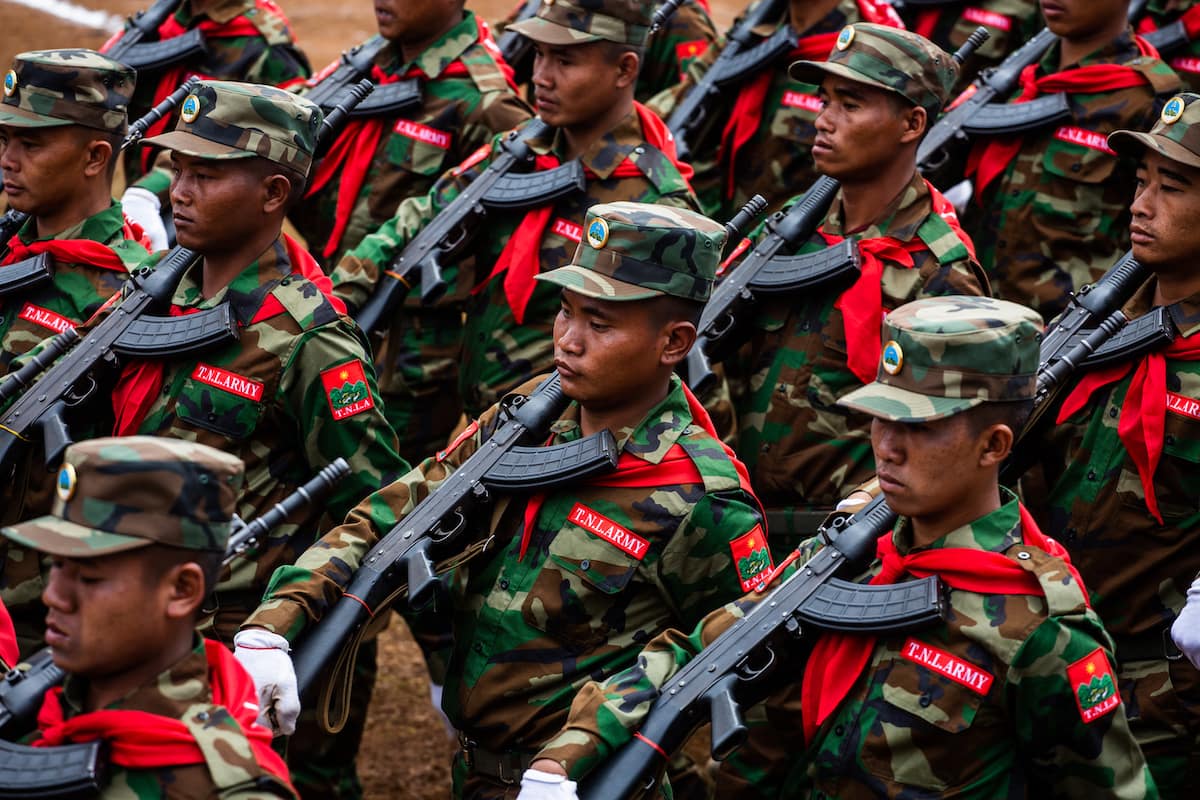
No, China Is Not Intervening in Myanmar’s Civil War
China is more a victim than a beneficiary of the current ethnic conflicts in northern Myanmar. China desires a ceasefire agreement between the junta and the ethnic armed groups, as well as peace and stability in the border region.... View More
current position:Commentary

Commentary