

How America's Midterm Elections Could Reshape Global Politics?
Time: 2026-11-17 Author: Sujit Kumar Datta
Midterm elections in the U.S. are seldom strictly domestic. U.S. elections have worldwide repercussions because Washington’s economy, military, and diplomacy are second to none. The Democratic Party’s landslide victory, which flipped control of both the House of Representatives and the Senate, is a major political blow to President Donald Trump and his Republican Party. It is also seen as a sign of a major shift in America’s domestic and foreign policy. The result is essentially a ‘lame duck’ for Trump for the rest of his second term. The White House will face more obstacles in pushing its agenda, finding political support for a controversial agenda and facing no political scrutiny in the House and Senate in Democratic hands. But it would be a mistake to write off the election loss as the end of Trumpism. Trump’s vision and political complaints are entrenched in American politics.
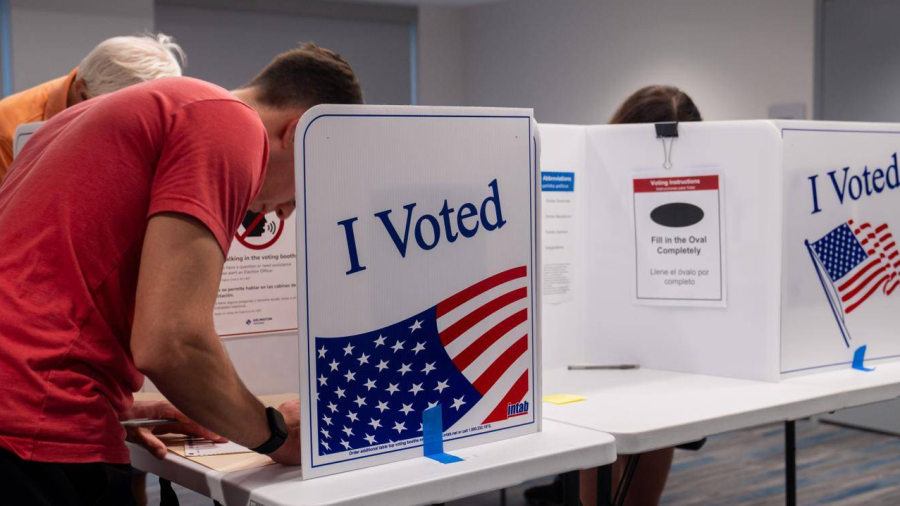
▲The Times of Bangladesh.
The Democrats’ victory reflects growing public grievances with the Administration’s economic and foreign-policy options. The high cost of living and economic uncertainty, along with the Iran war and political accountability, were among the factors that led to the Republicans’ loss. The results also show that Congress does not necessarily perform well when the president does. Many Americans still favour America first, economic nationalism, limits on immigration, distrust of multilateral institutions and a desire for Washington to focus on domestic issues. America’s call to come home will not be forgotten. Fiscal pressures on the United States are growing as the federal debt nears $40 trillion, and persistent trade deficits, worries over industrial competitiveness, and shortcomings in the healthcare, welfare, and basic education systems remain. Domestic challenges have bolstered the push to redirect U.S. investments from foreign missions to rebuilding the U.S.
Having a majority in both houses will not only affect the balance in Washington, but also other things. Congress has important responsibilities related to taxation, public expenditure, trade, defence appropriations and regulation. President Trump will have executive authority, but he can expect more legislative and political roadblocks to his efforts to push through large-scale policy changes. A budgetary battle, debt-ceiling problems and investigation of the administration may trigger further volatility in financial markets. Investors will be closely following the relationship between fiscal policy, political stability and economic growth; government borrowing; and bond yields will remain important.
Another major query is about the future of artificial intelligence. One key driver of the stock market’s positive mood has been the enormous investment in AI infrastructure in the United States. A Democratic Congress might seek to increase regulations on tech companies, privacy and user data protection, energy consumption, competition and the societal impacts of automation. This may slow some expansion of AI infrastructure, but not halt it. Overall, competition between the US and China in AI, semiconductors and other high-tech areas will remain one of the most prominent aspects of the world’s economic politics.
The war with Iran could well become the most urgent foreign-policy issue for the post-midterm administration. The war has revealed the potential of military force and how regional instability affects the world economy. The security of the Strait of Hormuz is at the heart of this crisis. It is a strategic shipping route essential for international trade and global energy supplies, particularly oil from the Persian Gulf. Energy disruption would raise energy costs, disrupt energy supply chains and add to economic uncertainty. On June 17, the two countries signed a 14-point MOU that looked like a political path to de-escalation. But the pact’s breakdown has dashed hopes of a permanent peace, and could lead to further conflict. The U.S. may increasingly be called upon to pursue a negotiated approach that is both internationally acceptable and recognizes the region’s geopolitical realities.
The war with Iran might also have consequences for Israel’s relations with the United States in the realm of politics. Israel is one of the favourite countries of both the major American political parties, but that is about to change. The conflict has reignited debate over America’s military support, its security pledges in the region, and its unconditional backing of certain policies. It’s not like the support for Israel will cease in America. The two countries have strong institutional, security and political relations. The political terms on which that support will be provided will probably be more controversial, however. Overall, the United States seems to have less sway in the postwar political settlement in the Middle East. The new security architecture will be influenced by regional powers, such as Iran, Saudi Arabia and other Gulf nations, alongside Türkiye. Building American influence will take much more than military power, and engaging regional actors will be vital.
The election outcome also raises major questions about U.S. engagement in the Indo-Pacific. Democrats in Congress will not be able to wish strategic competition with China away. But while there is still significant consensus on how to maintain technological, economic and military competitiveness against Beijing, there is some potential for disagreement on tactics. Trump has emphasised tariffs, transactional diplomacy and unilateral pressure, while the Democrats have emphasised alliances and multilateralism, along with a push for economic resilience and engagement with economic institutions. The election also reminds smaller states that shifts in Washington’s domestic politics could reverberate worldwide, but they shouldn’t change the country’s foreign policy ideals. The principles of strategic autonomy, economic resilience and national interest must be upheld.
In the end, the 2026 midterm elections have ushered in a new era in American politics. Congress will be Democratic, with fewer feet on the ground to obstruct Trump’s agenda and more eyes on the foreign policy table, which could change the dynamic of debate on that topic. But it isn’t going to push ideology and politics to change automatically with Trumpism. The next two years will determine whether Democrats can turn their majority victory into a viable governance alternative. They need to prove they can address economic insecurity, technological change, social divisions, and international leadership. But Republicans will have to choose whether they want to continue Trump’s political legacy or reframe their national agenda.
If the fighting results in lasting economic harm and a loss of U.S. strategic credibility, it may become a defining issue in the ’28 election. If Washington can strike a negotiated deal, Trump can point to it as proof of his foreign-policy success. This midterm result should therefore not be read as a sign of failure of American leadership, nor of a mere return to the ‘old international status quo’ of yesteryear. Instead, they show the increasing importance of domestic political polarisation to American foreign policy.
The big issue for the international community is whether the U.S. can do both, balance its national interest with its international obligations. American influence remains significant, but it increasingly relies on the legitimacy and stability of institutions and popular consent at home. No president, no matter how much power he holds, can be at peace with the ballot box, and the midterm elections have proved it. The ballot has changed the status quo in Washington, but the struggle over America’s role in the world is not yet finished.
This article was first published at The Times of Bangladesh, Bangladesh, Nov.11, 2026, https://tob.news/how-americas-midterm-elections-could-reshape-global-politics/.
 <RCAS Commentary-How America’s Midterm Elections Could Reshape Global Politics?>